


As interest in legal LSD analogs like 1S-LSD continues to grow, so does the need for accurate and responsible scientific information. While LSD-25 remains a controlled substance in many countries, compounds such as 1S-LSD offer researchers a legal pathway to explore its pharmacological effects under laboratory conditions.
In this article, we’ll examine the typical effects of LSD and 1S-LSD, what hallucinations truly look like, how to understand dosing, and what “overdose” actually means in the context of these compounds.
1. What Are the Typical Effects of LSD and 1S-LSD?
In research environments, LSD and its analogs produce a range of measurable cognitive and sensory effects that include:
Perceptual Amplification
- Increased color intensity
- Heightened sound sensitivity
- Altered time perception
Cognitive Shifts
- Deep introspection
- Thought loops or expanded associations
- Enhanced pattern recognition
Visual Distortions
- Trails of movement
- Breathing walls
- Halo effects around objects
These effects are dose-dependent and may be slightly milder with 1S-LSD, especially at lower microgram ranges (80–100 µg). Research reports suggest a shorter duration and quicker onset with 1S-LSD compared to LSD-25 or 1P-LSD.
2. What Do LSD Hallucinations Actually Look Like?
Despite popular belief, LSD typically does not create full-blown hallucinations (e.g., seeing people or objects that aren’t there). Instead, researchers observe:
Closed-eye visuals (CEVs)
- Fractals, geometry, pulsating lights
- Often appear in dark or meditative states
Open-eye distortions
- Melting surfaces
- Symmetry shifts
- Color enhancement and pattern overlays
Synesthesia-like effects
- Seeing sounds or “feeling” colors — reported occasionally in higher-dose experiments
These effects reflect altered processing in the visual cortex and serotonin system, especially at the 5-HT2A receptor, the main target of LSD and its analogs.
3. Can You Overdose on LSD or 1S-LSD?
Physiologically, LSD is not toxic at standard research doses. Fatal overdose is extremely rare, even at doses above 1,000 µg.
However, psychological overdose is real — and often dangerous:
Signs of a psychological overdose
- Panic, paranoia
- Ego dissolution or loss of self-identity
- Confusion, disorientation
- Intense, uncontrollable thought loops
Such experiences are often triggered by high doses (300–600+ µg), lack of environmental control, or emotional instability.
💡 Reminder: All LSD analogs, including 1S-LSD, are for research purposes only and not intended for human use.
4. Understanding LSD Dosage: How Much Is Too Much?
When working with LSD blotters or pellets, it’s essential to understand what the µg (microgram) quantity means:
| Dosage | Typical Use Case | Effects (Research Observations) |
|---|---|---|
| 80 µg | Microdosing/low-dose study | Mild sensory enhancement, no visuals |
| 120 µg | Standard research dose | Perceptual shifts, light visual distortion |
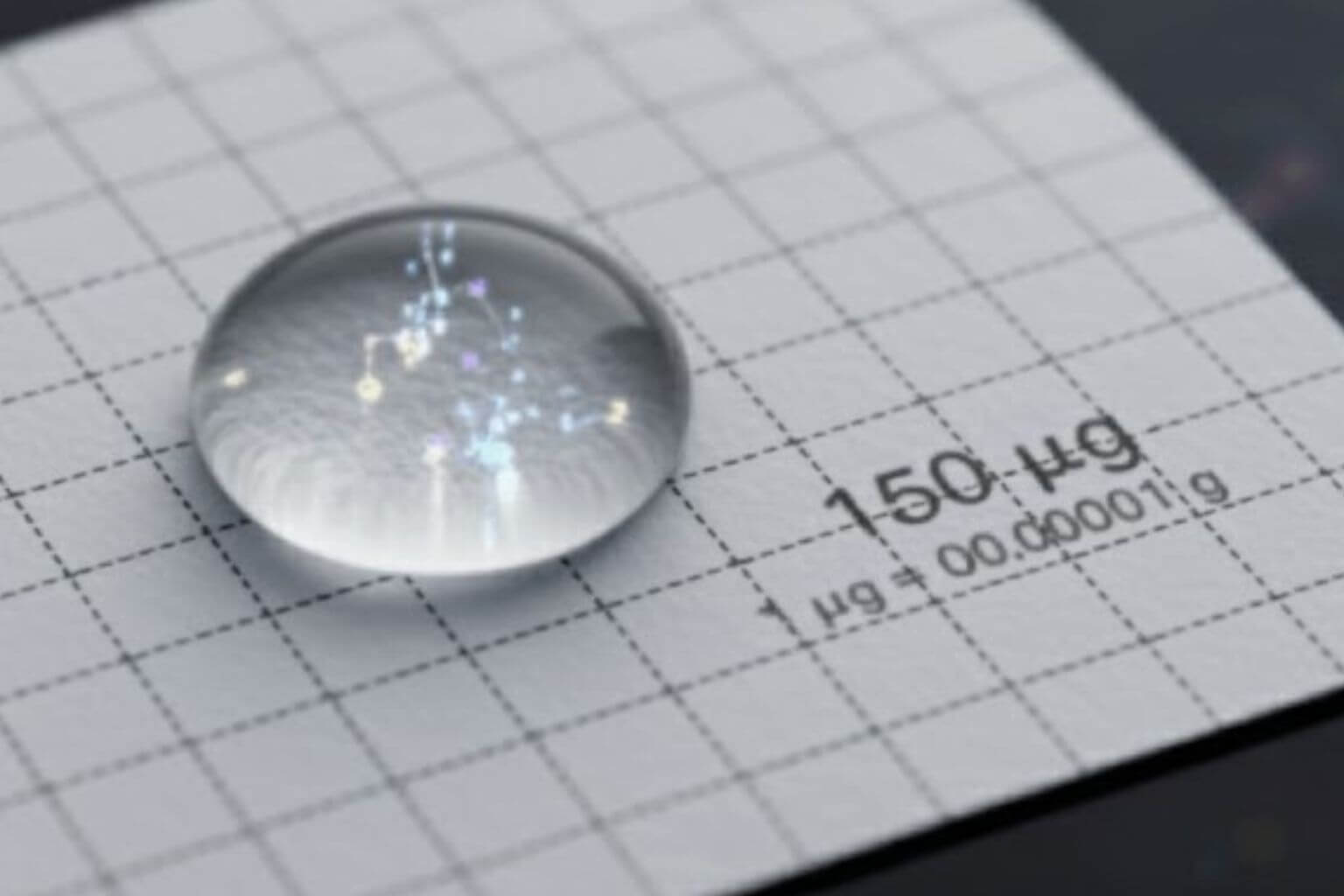
| 150 µg | Full-dose models | Stronger visuals, cognitive effects |
📌 A higher dose doesn’t guarantee better results. In fact, it may create unnecessary noise or overwhelm participants in controlled experiments.
5. Duration, Onset & Reversibility
- Onset: 1S-LSD = ~30–60 minutes (faster than LSD-25)
- Duration: 1S-LSD = ~6–8 hours (shorter than LSD-25’s 10–12h)
- After-effects: Fatigue or “afterglow” may last 12–24h
- Detection: LSD metabolites detectable in urine up to 3 days
🔬 Conclusion: What Researchers Should Know About LSD Effects and Doses
Understanding how legal LSD analogs like 1S-LSD interact with perception and cognition is vital for responsible, reproducible scientific research.
Whether examining microdosing protocols or high-dose receptor mapping, it’s essential to:
- Use lab-tested, high-purity compounds
- Maintain strict compliance with research-only use
- Follow accurate dosing, storage, and handling procedures
LSD remains a powerful tool for exploring the human mind — but only when handled with scientific rigor and full legal awareness.